Jazz 5G Partnership Brings Affordable Devices to Pakistan
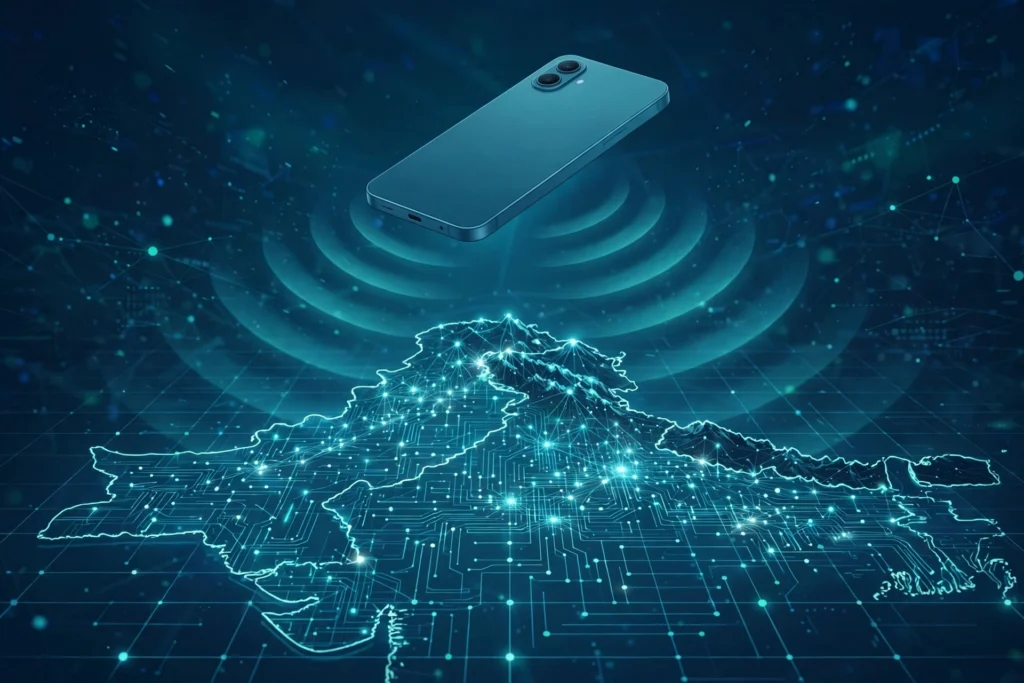
Pakistan’s 5G story has a new chapter. Jazz, the country’s leading connectivity provider, has announced a strategic collaboration with DIGIT and UNISOC to bring affordable 5G devices to the Pakistani market. The announcement, made on September 24, 2026, signals that the industry is finally tackling the biggest obstacle in Pakistan’s 5G journey: the price of the phones themselves.
The partnership brings together three very different strengths. Jazz contributes its nationwide connectivity ecosystem and market reach, DIGIT brings device expertise and a deep understanding of local consumers, and UNISOC supplies the semiconductor and 5G platform technology that powers the hardware. Together, the three companies plan to put 5G within reach of ordinary Pakistani buyers for the first time.
The Jazz–DIGIT–UNISOC Partnership Explained
Jazz is no stranger to the device business. Its Jazz Digit line of 4G feature phones once put basic connectivity into millions of hands, with models like the Digit 4G, Energy, Shine, Star and Power selling at prices ordinary Pakistanis could afford. But that era is ending: price comparison listings now mark the remaining Jazz Digit 4G models as discontinued, and the last new Digit 4G handset — the Digit Z1 — launched back in November 2024 at PKR 9,800.
The new collaboration is the 5G successor to that playbook. Instead of going it alone, Jazz has partnered with DIGIT, a company focused on devices built for local consumers, and UNISOC, the Chinese chipmaker whose 5G platforms power a growing share of budget smartphones worldwide. The idea is simple: combine Jazz’s distribution and brand trust with purpose-built affordable hardware, so that getting on 5G does not require buying a flagship phone.
Two Devices First: 5G MiFi and 5G Smartphone
The collaboration will initially introduce two products: a 5G MiFi device and a 5G smartphone, both powered by UNISOC platforms. The 5G MiFi will provide portable high-speed mobile broadband that can be shared across multiple connected devices — a useful option for households, students and small businesses that need fast internet on the go.

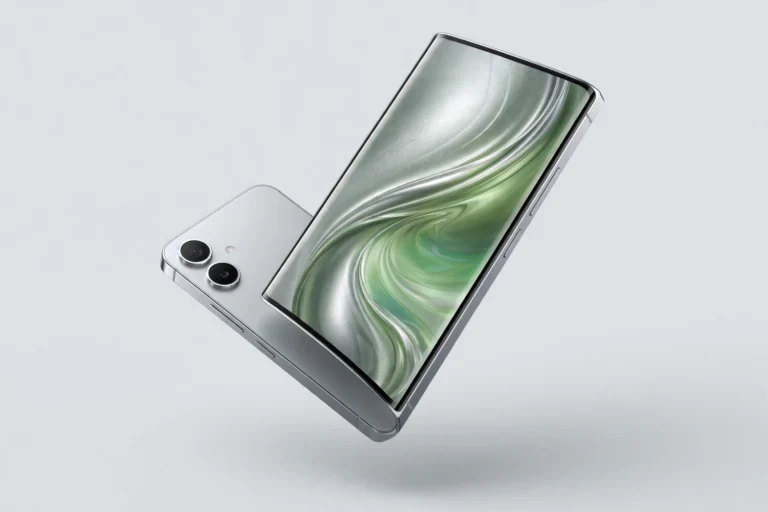
The 5G smartphone, meanwhile, is positioned as an accessible entry point into 5G for consumers who may never have owned a 5G-capable device. Through UNISOC’s V510 and UMS9621 platforms, the devices will support 5G across both mobile broadband and smartphones, bringing high-performance connectivity to a much broader consumer base than today’s premium-only 5G handsets.
The partners say they will also explore further opportunities across 5G smartphones, mobile broadband products and other connected solutions for the Pakistani market. Commercial availability, pricing and sales-channel details for the two launch devices will be announced separately — so for now, the price remains the biggest unanswered question.
Why Affordable 5G Devices Matter for Pakistan
This is where the partnership gets genuinely important. Pakistan’s 5G networks are already live — Jazz launched commercial 5G services on March 19, 2026, and since expanded to more than 1,000 live 5G sites, with a target of 2,500 by the end of the year. Zong is live in more than 16 cities. The spectrum auction in March 2026 saw Jazz secure spectrum worth $239.38 million.
But there is a paradox at the heart of the rollout: while local phone manufacturing is booming, 5G handset production is actually falling. Pakistan assembled only 134,501 5G-enabled handsets in August 2026, down sharply from 553,079 in a comparable earlier period. The networks exist, the factories exist — yet Pakistanis are not buying 5G phones in growing numbers. The bottleneck, analysts say, is mostly about money: 5G-capable phones remain too expensive for the average buyer.
That is exactly the gap the Jazz–DIGIT–UNISOC collaboration is designed to fill. Asad Maqbool, Head of Jazz Consumer Growth, put it plainly: the benefits of 5G can only be fully realized when more people have access to affordable, capable devices. Abdul Rehman Mahmood, CEO of DIGIT, added that the company’s focus remains on bringing reliable, affordable and high-quality devices to market that address real consumer needs — describing the collaboration as an opportunity to expand DIGIT’s portfolio while supporting next-generation connectivity across Pakistan.
What Comes Next: Pricing, Availability and Jazz’s Bigger 5G Play
The obvious next milestone is the price tag. Neither Jazz nor its partners have revealed what the 5G MiFi or the 5G smartphone will cost, or when exactly they will reach stores. Given that the old Digit 4G phones sold for under PKR 10,000, expectations will be high — but 5G chipsets and components cost considerably more, so the industry will be watching closely to see how aggressive the pricing gets.
The partnership also fits into a wider pattern. Just weeks later, on October 19, 2026, Jazz signed a separate strategic agreement with Samsung at the company’s global headquarters in Suwon, South Korea, focused on making AI-enabled Galaxy smartphones more accessible through instalment plans and trade-in programmes. Between the DIGIT–UNISOC devices and the Samsung deal, Jazz is attacking the affordability problem from both ends: brand-new budget 5G hardware on one side, and easier financing for premium 5G phones on the other.
For Pakistani consumers, the message is clear: the 5G device drought is ending. Whether it is a budget 5G smartphone from the new Jazz–DIGIT–UNISOC lineup, an affordable 5G MiFi for the whole household, or a Galaxy phone on instalments, 2026 is shaping up to be the year 5G finally becomes something ordinary Pakistanis can actually buy — not just read about on MobZilo.